October 26, 2026
Sewage Cleanup Basics: Why Backups in Groveland Homes Require Health Precautions and Isolation
By @renewhouse607
A sewage backup is never just a messy plumbing problem. In a Groveland home, it can quickly become a health issue, a moisture issue, and, if cleanup is rushed or careless, a much larger restoration problem than it needed to be.
That matters in Lake County because homes here deal with long humid stretches, hard summer rain, and the wider pressure of hurricane season. When water gets where it does not belong, whether from a drain line backup, flooding, or a storm-related event, the first concern is not appearance. It is exposure. Sewage can contaminate floors, drywall, contents, air pathways, and hidden cavities. People often focus on what they can see in the bathroom or laundry room, but the bigger question is where the contamination traveled and who walked through it before it was contained.
The safest response starts with two ideas that sound simple but make all the difference: treat the area as contaminated, and isolate it before cleanup begins. Those steps protect the people in the house, reduce cross-contamination, and help the property recover in a more orderly way.
Why sewage backups deserve a different level of caution
Homeowners are used to dealing with ordinary spills and routine maintenance. A sewage backup is different because it involves waste water, not just clean water. That distinction changes everything about the response. The CDC guidance on sewage is clear that backups can create health hazards, which is why protective precautions matter and why the affected area should be isolated during cleanup.
In practice, isolation means keeping people and pets out of the area, limiting foot traffic, and avoiding the common mistake of carrying contamination from one room to another on shoes, tools, or wet belongings. I have seen small losses turn into whole-house headaches because someone tried to “just mop it up” and then walked down the hallway, through the kitchen, and into bedrooms. Once that happens, cleanup is no longer limited to the original room.
There is also the hidden side of a backup. Sewage does not always stay on the surface. It can wick into baseboards, soak under flooring, and move into drywall. In Florida’s humidity, moisture that lingers can open the door to mold growth. The Florida Department of Health has long pointed to moisture as the driver behind mold, and the common sources sound familiar to anyone who has worked on homes here: plumbing leaks, flooding, condensation, poor bathroom or kitchen ventilation, and HVAC or drain-pan problems. If the moisture is not fully addressed, a sewage cleanup can become a mold removal Groveland project not long afterward.
What isolation really means inside the home
Isolation is not about drama. It is about control.
When a backup happens, the contaminated area should be treated as its own zone. If the problem is in one bathroom, that does not mean the rest of the home is safe by default. The path to and from that bathroom may also be affected, especially if people discovered the backup late, tracked through it, or used towels and mops that were later moved elsewhere.
A proper isolation approach usually starts by restricting access and protecting adjacent areas from spread during cleanup. That matters even more in occupied homes with children, older adults, or anyone with health vulnerabilities. It also matters in homes where the HVAC system may pull air through nearby spaces. Florida health guidance notes that if a central AC system is being used to lower indoor humidity below 60 percent, it should be examined for problems. That becomes relevant after any moisture event. If contaminated moisture or persistent dampness gets into the system or around vents, the job may expand into HVAC mold remediation or broader indoor air cleanup.
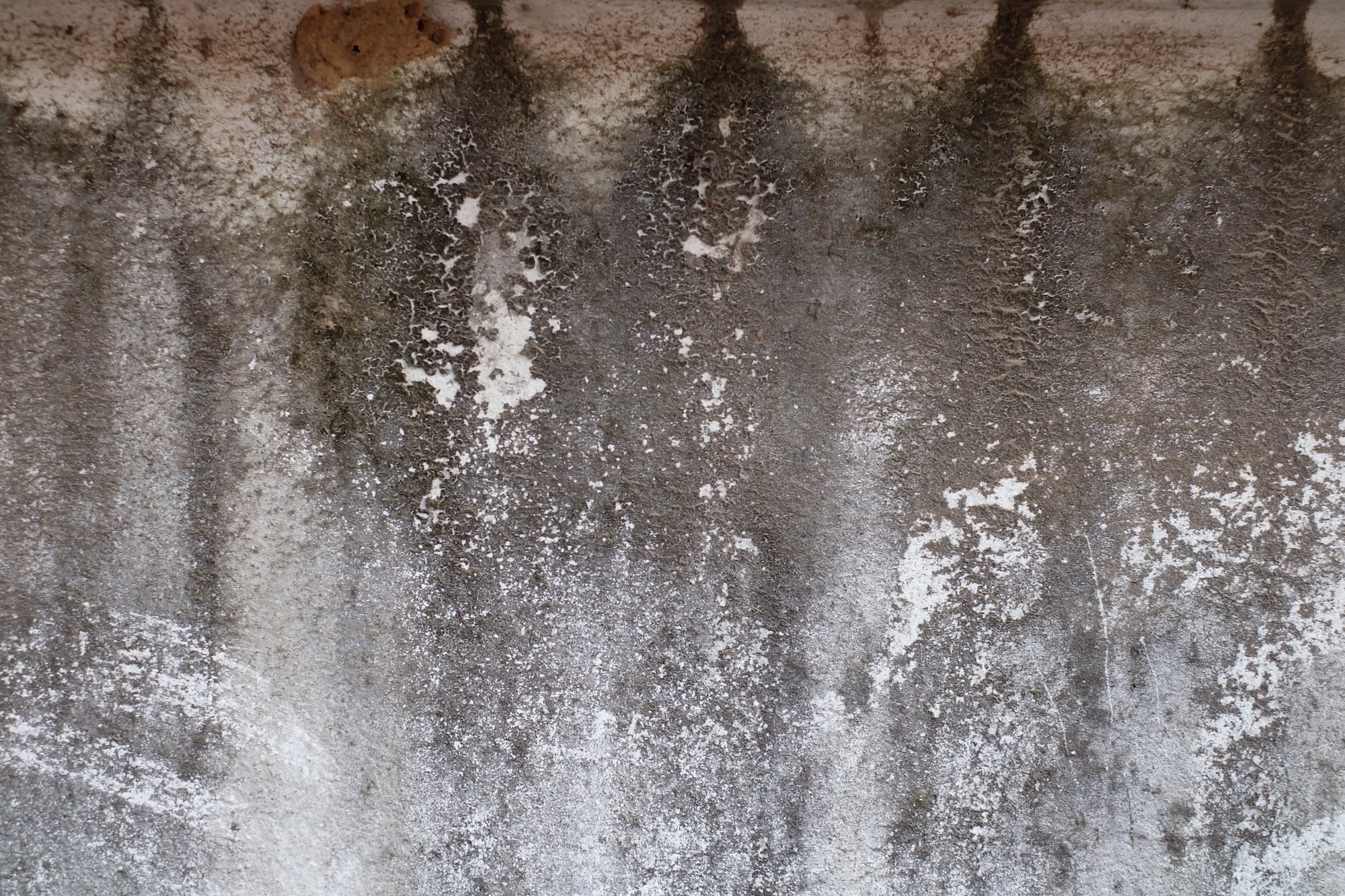
Isolation also helps with odor removal. Sewage odors have a way of settling into porous materials and moving through a house. If affected materials are left in place too long, or if air movement is not managed carefully, the smell can linger long after visible moisture is gone. Homeowners often think the odor itself is the problem. Most of the time, it is a symptom telling you contamination or wet materials are still present somewhere.
The first decisions matter more than the first hour of scrubbing
People understandably want to act fast. That instinct is good, but speed should go toward safety and containment first, not aggressive cleaning.
The best early moves are usually these:
- Keep everyone out of the affected area, including pets.
- Stop using fixtures that could add more water or sewage to the problem.
- Think about utility and reentry safety if flooding or storm damage is part of the event.
- Document visible damage before items are moved too much.
- Contact the right help if the problem is larger than a very limited surface issue.
That third point deserves more attention in Florida homes. FEMA and CDC flood guidance both emphasize that reentry after flooding should focus first on safety, utilities, and contamination risks. If the sewage backup happened during or after a storm, there may be overlapping hazards. Standing water, electrical concerns, and storm-driven contamination can all change what is safe to do yourself.
The fourth point, documentation, also gets overlooked. FEMA recovery guidance advises homeowners to document damage and coordinate with their insurer during cleanup and repairs after flood, storm, smoke, or fire events. Even when the source is a plumbing or sewer issue inside the home, good records help. Photos, notes, and a basic inventory of damaged contents can make conversations with insurance far easier. The NAIC has also stressed that homeowners should understand their policy, ask questions, and maintain an inventory to support claims. That is not glamorous advice, but it saves real frustration later.
Why “clean enough” is often not clean enough
A common mistake in sewage cleanup is assuming that if a surface looks clean and smells better, the risk is gone. Real cleanup is more demanding than that.
Porous materials are the main challenge. Drywall, insulation, carpet pad, unfinished wood, and some contents can trap contamination and moisture. Depending on how much exposure occurred, some materials may not be practical to restore. Even when salvage is possible, the work has to address both contamination and drying. If the area is disinfected without being dried, moisture remains. If it is dried without proper decontamination, the health risk remains. Both sides matter.
This is where water damage cleanup Central Florida work often overlaps with sewage response. The region’s climate does not give you much margin for delay. Moisture left in wall cavities or beneath flooring can support visible mold growth or that persistent musty smell homeowners notice a week or two later. And when mold keeps returning, Florida health guidance is straightforward: the underlying moisture source still needs to be fixed. Cleaning the stain or repainting the wall does not solve the reason it came back.
I have also seen homeowners focus on one room while missing the adjacent closet, vanity toe-kick, or the low section of drywall in a nearby hallway. Contamination follows gravity and pathways. Water seeks joints, seams, and gaps. It is rarely polite enough to stay within the obvious boundary.
Groveland homes, humidity, and the mold question
Groveland’s climate shapes the cleanup strategy. Even a well-contained sewage incident can become a mold issue if drying is incomplete or delayed. That is not alarmism. It is simply how moisture behaves in a humid environment.
Bathrooms, laundry rooms, kitchens, and utility spaces already tend to be moisture-prone. Add a backup and you have wet building materials, elevated humidity, and less-than-ideal airflow. If the home relies heavily on central AC to keep humidity down, it is worth remembering the Florida Department of Health guidance that the system should be examined for problems if it is being used to lower humidity below 60 percent. A struggling unit, dirty drain pan, or condensation issue can make a bad situation linger.
This is where homeowners sometimes call for mold removal Groveland services a little too late, after they tried to dry things with a box fan and a hope. Fans have their place, but they are not a substitute for a full assessment of where the moisture went. If air movement is used carelessly around contamination, it can also spread odors and particulates. Judgment matters.
When the HVAC system enters the picture
Not every sewage backup affects the HVAC system, but when it does, the cleanup becomes more technical. Floor registers, return pathways, and nearby air movement can all complicate containment. If contaminated moisture or damp debris reaches HVAC components, you are no longer dealing only with a plumbing incident. You may need HVAC mold remediation or at least a close evaluation of whether the system contributed to moisture retention or distribution.
Homeowners often ask whether they should keep the AC running to help dry the house. There is no one-size-fits-all answer. In Florida, AC can help control indoor humidity, but it should not be assumed to be enough, and the system itself should be checked for issues if it is part of the moisture-management strategy. If the system is pulling from or pushing through affected areas, it may not be helping the way people think it is.
A good restoration plan looks at the room, the adjacent materials, and the building systems together. That is one reason many people end up calling emergency restoration services rather than trying to handle a larger backup alone.
Older homes bring another layer of caution
Sewage cleanup can expose or disturb building materials during demolition, especially when flooring, drywall, trim, or insulation needs to come out. In older homes, that creates a separate concern that has nothing to do with sewage and everything to do with renovation safety.
EPA guidance notes that homes built before 1978 may contain lead-based paint, and renovation, repair, or painting can disturb hazardous materials. EPA asbestos guidance also makes clear that demolition or renovation work involving asbestos-containing materials must be handled under applicable rules. That means a sewage loss in an older home is not always just a cleanup job. Once walls, ceilings, flooring, or certain textured or wrapped materials are disturbed, the project can shift into regulated territory.
That is why homeowners in older properties sometimes need Groveland FL asbestos testing before demolition moves forward, or they may need asbestos abatement Lake County services if affected materials contain asbestos and must be removed. It is not something to guess at, and it should never be treated like an afterthought. A backup in a 1960s or 1970s home can involve very different decisions than the same backup in a newer build.
Florida also regulates mold professionals through licensure handled by the Department of Business and Professional Regulation, which is worth keeping in mind if the job expands from sewage cleanup into moisture-driven mold work.
Storms make sewage cleanup harder, not just bigger
In Central Florida, some of the worst sewage-related losses happen around major weather events. Heavy rain, localized flooding, and broader hurricane impacts can overwhelm systems, soak structures, and complicate access and drying. During those periods, sewage cleanup may arrive bundled with hurricane damage restoration Florida needs, not as a stand-alone issue.
That changes priorities. Reentry safety comes first. Flooded homes can contain both mold and sewage, according to FEMA and CDC guidance. Utilities may need attention before cleanup starts. Food exposed to flood or storm water should be thrown away, and generator use requires caution because of both fire and carbon-monoxide risks. Those are not side notes. They are part of the same real-world event.
After a storm, homeowners are often juggling multiple losses at once, such as wet flooring, damaged drywall, debris, and sewage contamination in lower areas of the home. A capable remediation company Lake County residents trust should be able to look at the whole picture rather than treating each symptom as if it were unrelated.
What homeowners should avoid doing
Some mistakes show up over and over, and they usually make cleanup cost more or take longer.
- Do not let people continue walking through the affected space.
- Do not assume bleach and a mop solve contamination inside porous materials.
- Do not ignore lingering dampness or recurring odor.
- Do not start tearing into older materials without considering lead or asbestos issues.
- Do not throw away your chance to document the damage for insurance.
That last point becomes especially important when the event overlaps with other damage. If a backup happens after a storm, or alongside smoke or fire exposure from a separate incident, the claim process can become more detailed. U.S. Fire Administration guidance, for example, emphasizes that the first 24 hours after a home fire are important for safety checks, salvaging what is safe, and beginning insurance and recovery steps. The same practical mindset applies to water, sewage, smoke, and mixed-loss situations. Early organization helps.
Sewage cleanup is often one chapter in a bigger restoration story
Very few property losses stay neatly in one category. A home might need sewage cleanup first, then drying, then odor removal, then mold-related work if moisture was missed. Another property may already be recovering from storm impacts and then discover that floodwater or backups affected lower rooms. Still another may have fire and smoke damage cleanup underway in one area while plumbing or moisture issues are uncovered elsewhere.
That is why homeowners benefit from seeing the house as a system. Water affects air. Air affects odor. Demolition affects older materials. Delayed drying affects mold potential. Insurance documentation affects the recovery timeline. None of those pieces live in isolation, even though the contaminated area itself should.
A thoughtful restoration response asks practical questions. Where did the contamination start? Where did it travel? What materials were affected? What needs to be removed versus cleaned? Is the HVAC system involved? Are there moisture conditions that could feed mold? Is the home old enough that lead-based paint or asbestos needs to be considered before demolition continues? Those are the questions that separate a surface fix from a durable one.
Choosing help and setting expectations
Homeowners in Groveland do not need a sales pitch when sewage enters the house. They need clear thinking and honest expectations. Some small, very limited incidents may be manageable with careful precautions, but anything beyond a tightly contained surface issue deserves a more disciplined response. The moment contamination reaches multiple materials, moves beyond one fixture area, or overlaps with flooding or storm damage, the work usually calls for experienced emergency restoration services.
It also helps to work with people who understand Lake County https://materialguide402.currentvale.com/posts/how-humidity-control-ventilation-and-fast-cleanup-support-long-term-remediation-aftercare homes and climate. A remediation company Lake County property owners rely on should appreciate what Florida humidity does to wet materials, why isolation matters during sewage cleanup, and how quickly a missed moisture pocket can become a mold problem. If the project involves demolition in an older house, they should also recognize when Groveland FL asbestos testing or asbestos abatement Lake County coordination may be part of the path forward.
What homeowners usually want most is to get back to normal. That is reasonable. The fastest route there is rarely the one that looks fastest on day one. The better route is controlled, documented, health-conscious cleanup that keeps contamination contained, addresses moisture completely, and respects the age and systems of the home.
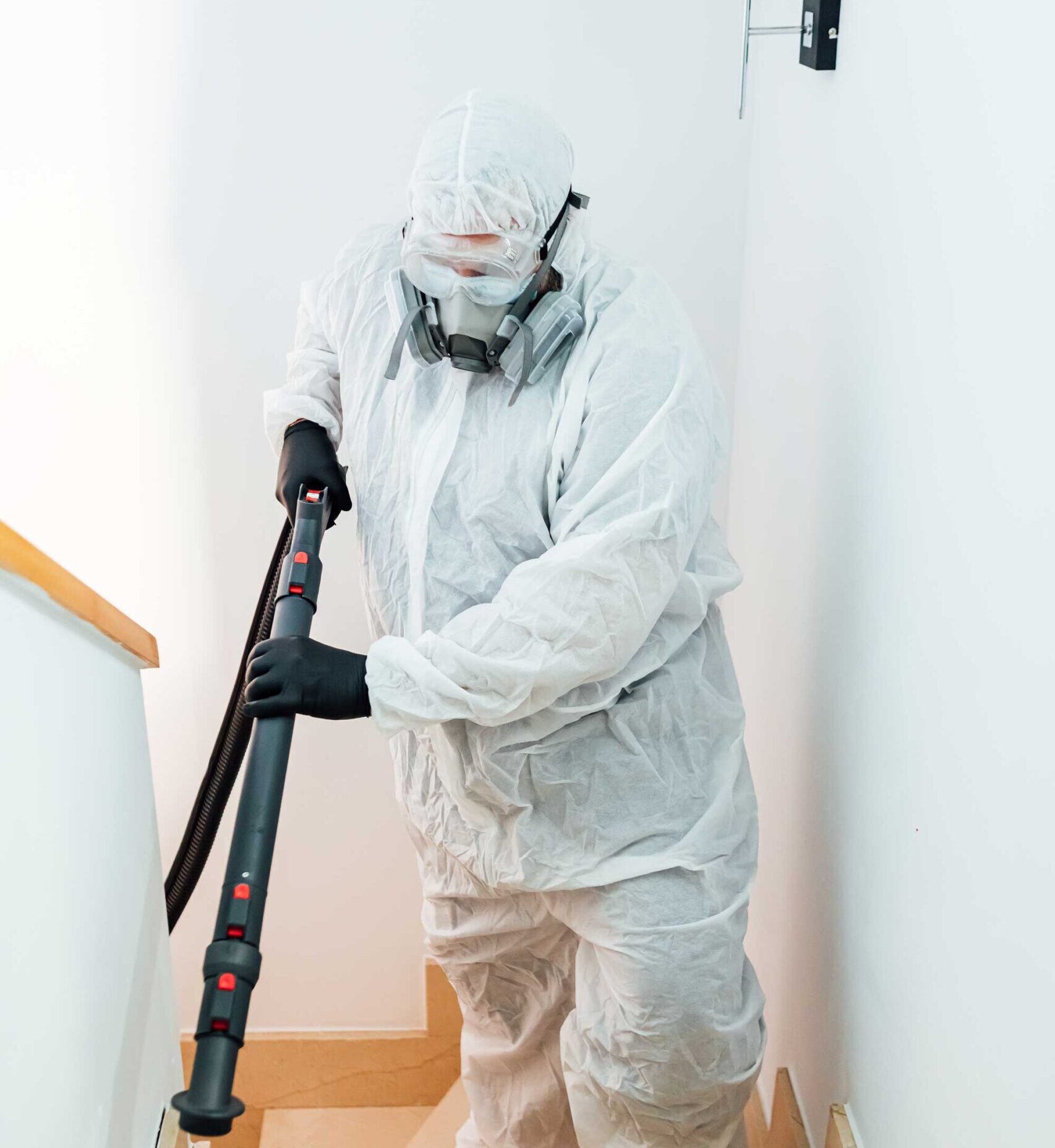
When sewage backs up into a Groveland property, the mess is only the visible part of the problem. Health precautions and isolation are not extras. They are the foundation of doing the job safely, protecting the rest of the house, and preventing one bad day from turning into months of avoidable repairs.

❧